

You know that moment when Google spits out a result, and a little box up top — powered by AI — sums everything up BEFORE you even scroll? That box is shifting how we find ideas, how we get traffic, and more than anything, how we *optimize for discovery*. Welcome to the era of Generative Engine Optimization, or GEO — the latest frontier for content creators, agencies, and everyone using automation to rise above the noise.
Over the past week, chatter has exploded around GEO. Search trends show surging interest in keywords like “generative engine optimization”, “AI summary snippets”, and “optimize content for AI answers”. Marketers are realizing: SEO isn’t dead; it’s evolving. AI-generated overviews and answer engines (think ChatGPT, Gemini, Claude) are now a huge part of how people discover information. And if you’re not optimizing for that format yet, you’re losing out. This matters deeply for tools like n8n — which can automate and streamline how you tackle GEO without turning your content playbook upside-down.
What is Generative Engine Optimization exactly? In short: it’s how you adapt your content so AI agents and LLMs prefer your pages when answering user questions. That means paying attention to signal structure, freshness, authority, intent, snippet-optimizations, and designed prompts behind the scenes — cues that LLMs and search overviews pick up. Recently, a study described GEO as its own distinct marketing discipline, with its market valued in 2025 in the hundreds of millions already — and projected to grow rapidly as AI Overviews begin to dominate more searches. GEO requires smart content, sure — but also stable workflows to track trends, shape content, update metadata. And that’s where automation wins big. ([en.wikipedia.org](https://en.wikipedia.org/wiki/Generative_engine_optimization?utm_source=openai))
I talked to a few digital marketers who are already using automation with AI & n8n to bake GEO into their systems. One small agency pumped out keyword-driven outlines every time a trend spiked. Another used a workflow: when Google Trends shows a rising query, it pulls related topics → formats SEO metadata tailored for AI-answer style → updates existing posts with question-snippets, summary boxes, schema hints. The effects weren’t overnight viral hits, but steady increase in the “People Also Ask” snippets, answer cards, and featured summaries. That incremental visibility built over weeks turned into more organic traffic. And for creators with limited resources, those are the wins that add up fast.
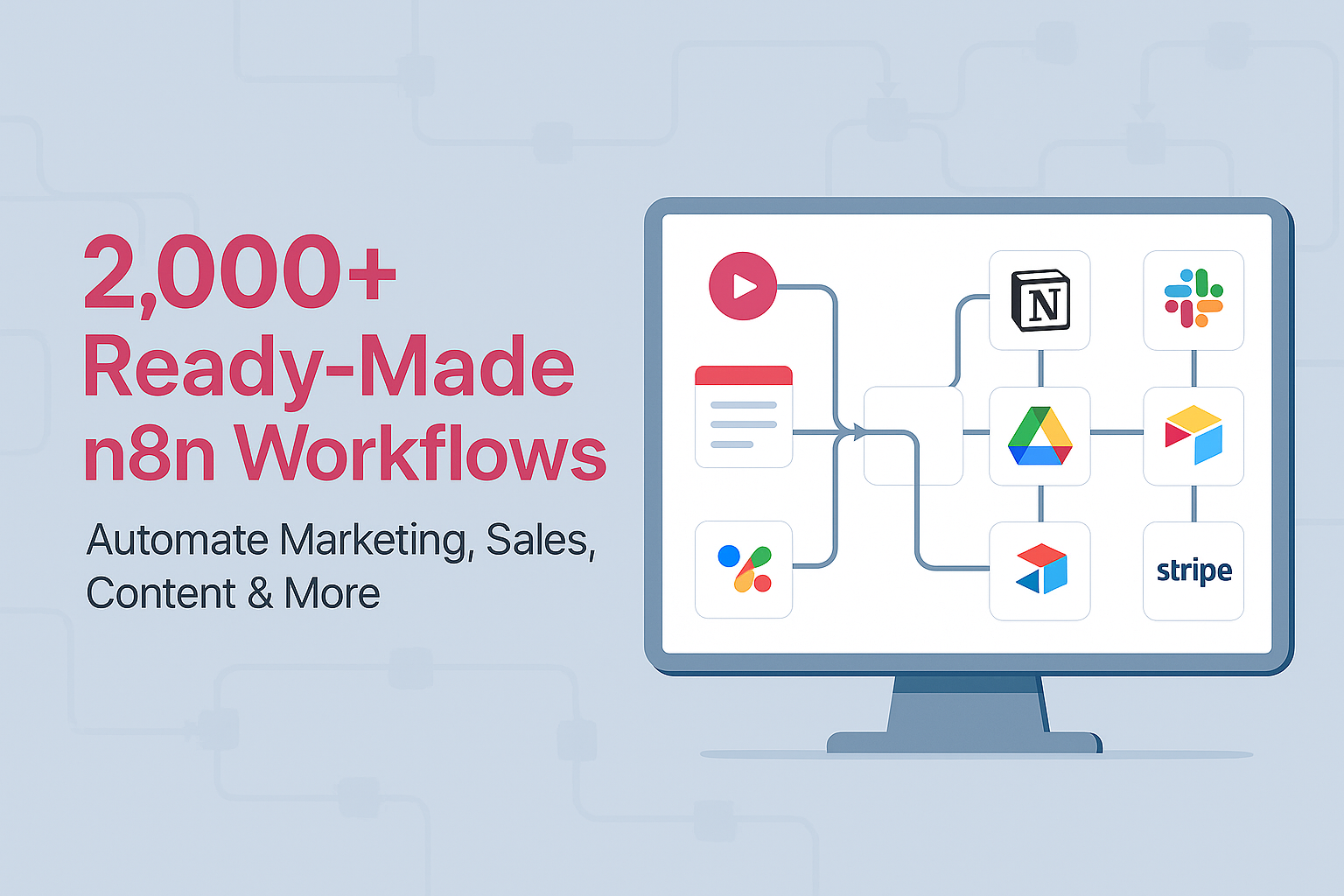
Here’s where Digitools.co’s N8N Automation Bundle comes in — and why it’s now more powerful than ever. Because GEO isn’t about a single workflow; it’s about dozens of micro-workflows that feed into each other: monitoring trending questions, auto-updating meta descriptions, scraping competitor snippets, comparing answer boxes for intent, auto-scheduling content to fill gaps, and even pushing updates based on freshness. With 7,500+ pre-built workflows, the bundle lets creators plug in when GEO signals emerge—without building from scratch.
Imagine this scenario: You’re launching a blog post. Your workflow bundle kicks off: it pulls trending related queries (AI prompt), fetches current answer snippets and competitor content, generates metadata that matches AI Overviews, formats structured schema, auto-updates your CMS, then tags old content to refresh later. All done while you sleep. That system isn’t hypothetical. It’s already enabling growth. And with the pressure on to stay visible in AI-powered search, the ones who build these systems early are the ones whose content AI chooses to echo.
If you’re someone creating content — an agency, freelance creator, or growing business — GEO isn’t a fad. It’s a doorway. And automations? They’re your key. See what you can unlock with Digitools.co’s N8N bundle: use the 7,500+ workflows to optimize for AI-answers, GEO signals, metadata, freshness, and discoverability. Visit https://digitools.co to explore how this suite gives you practical, plug-and-play superpowers. With the right system, you stop chasing trends — you respond to them first, and stay winning in a future where AI decides what people see.